By Maggie Beamguard
Insider Editor
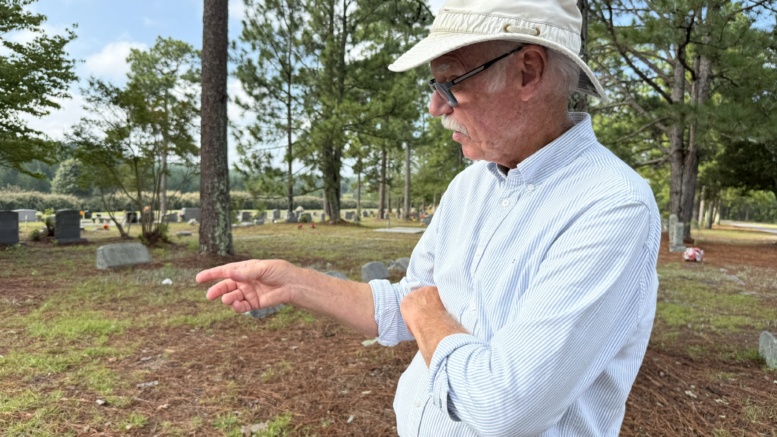
Walking among the headstones at the West End Cemetery in September, Ed Auman wonders in a quiet, awed voice… what happened between all these dashes?
The famous poem “The Dash” by Linda Ellis captures the sentiment behind the small mark between a person’s birth and death — the years that a person lived and loved or didn’t.
The small mark contains whole worlds. Consider Samuel Wm. Wilson: July 2, 1856 – Jan. 26, 1939. He was born before the Civil War and lived nearly to the eve of a second world war. Other stones give hints about the span of their dashes: a registered nurse, war veterans, fraternal organizations, expressions of faith, simple stones and elaborate monuments.
Generations of families are buried together, and some of the dashes have far fewer years than others.
There are the words they chose to leave behind, brief messages for loved ones and strangers wandering by to cherish.
“Gone to rest.”
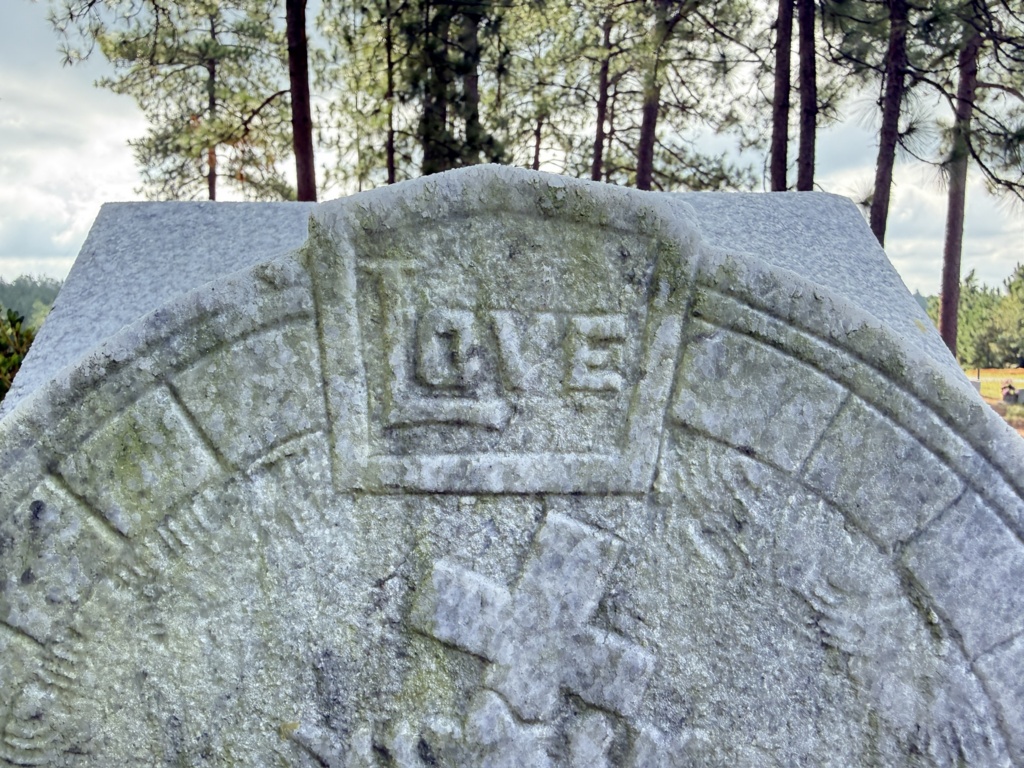
“Love, Life, Truth.”
“At One with God,”
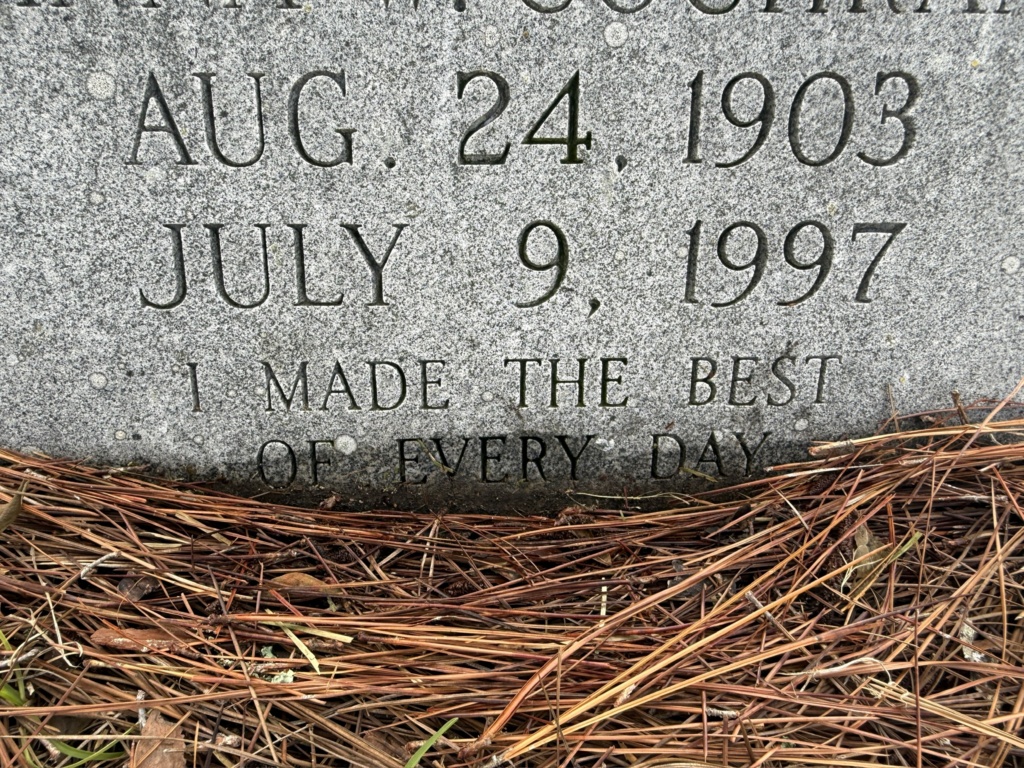
And on the stone of Anna W. Cochran, a delightful clue to her personality: “I MADE THE BEST OF EVERY DAY.” Her dash spanned Aug. 24, 1903 to July 9, 1997. That amounts to 34,289 days.
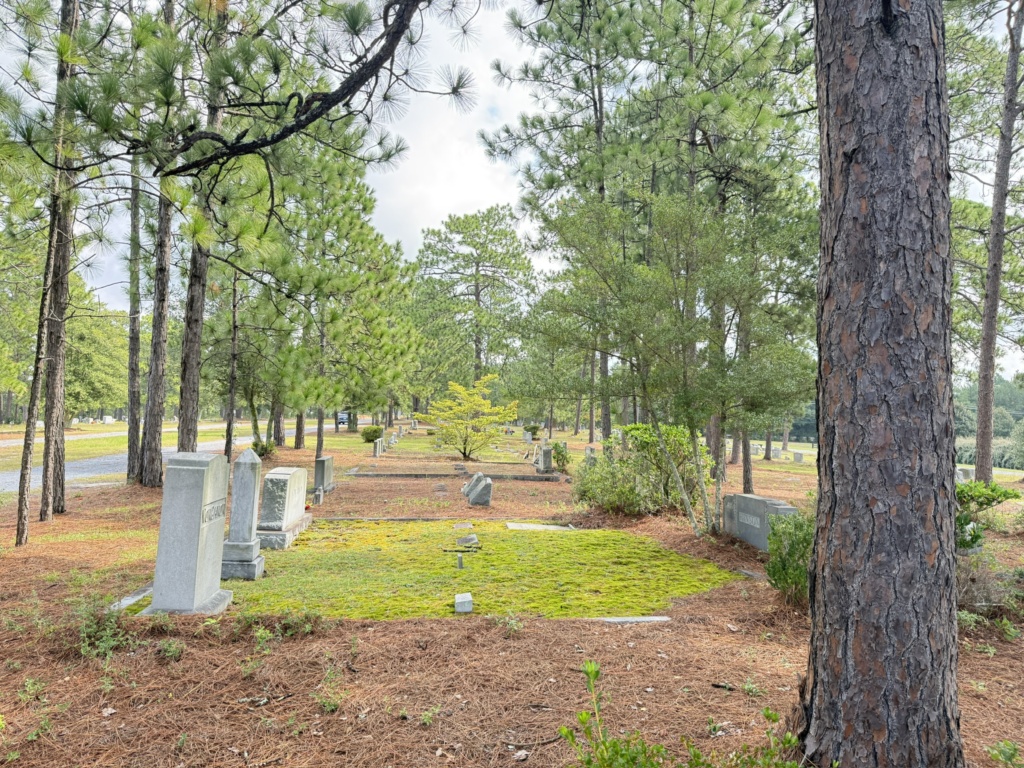
The total number of days contained in the dashes etched into the stones at West End Cemetery becomes almost impossible to comprehend.
For Linda Donnell, a lifelong West End resident and cemetery board member, this is why the cemetery is an important part of the community.
“It’s more than just a cemetery,” Donnell said. “It’s history. It’s a history of the town of West End.”
Or, as she put it another way, the cemetery is “a who’s who of what made West End the thriving community that it once was.”
You only need to look around at the names of the stones to see it.
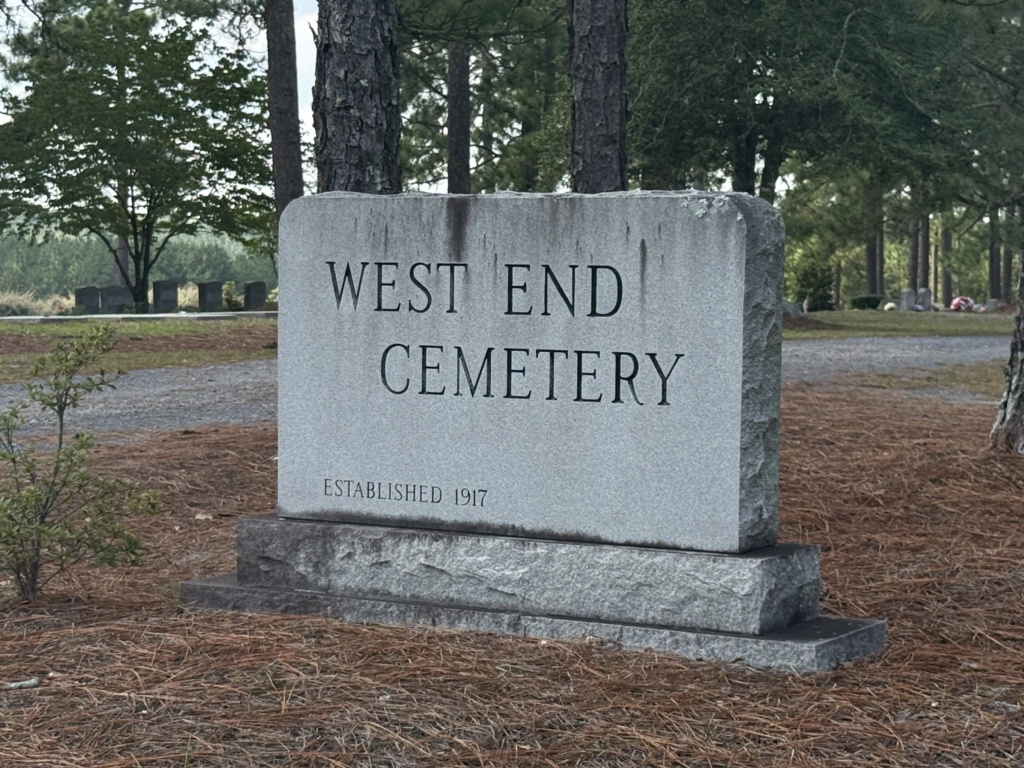
The West End Cemetery Association was organized and chartered in June 1924, when a three-acre tract made available by the M.C. McDonald Sr. family already contained approximately 16 graves. The community’s need for a cemetery predated the organization itself. Families were already burying loved ones on the land. The cemetery would continue to grow along with West End.
The original directors were M.C. McDonald Sr., S.W. Wilson, J.E. Jackson, F.W. VonCanon and Fred B. Monroe Sr. These individuals were part of the families and businesses that formed the backbone of the village of West End.
The McDonalds were landowners and merchants and operated one of West End’s early general stores. The Wilsons and Jacksons were farmers, raising crops including tobacco and peaches. Fred B. Monroe Sr. was a merchant who operated a hardware store and owned West End’s first, and only, movie theater.
Large family plots bear familiar names: Monroe, VonCanon, Speight, Currie, Donaldson, McDonald, Auman, Williams, Cagle, McInnis, and others — names of people who shaped Moore County and the state of North Carolina.
The connection to the cemetery is personal for Donnell. Her paternal grandparents and her great-grandmother are buried in the cemetery. Her great-grandmother, who died in 1922, was a charter member of West End Presbyterian Church. Donnell’s own family history reflects the way West End grew beyond its earliest founding families.
Her mother’s family came from South Carolina. During the Depression, her mother’s brothers came to West End because they heard there was work at the furniture factory. Eventually, other members of the family followed and made the community their own.
Donnell remembers growing up in West End where many people lived close to one another in what was the heart of the downtown area at the intersection of N.C. 73 and N.C. 211. She recalls the Pusser family living in a house near the movie theater, with a large family who worked in the furniture factory across the street. Many of the old homes are gone now, as is the furniture factory which provided employment for many who lived there.
The cemetery remains, a tangible connection to history displaced by a widening road and inevitable development.
DonneLl’s own childhood home remains, although the service station her father operated — once a gathering place where men came into town to gossip — is gone. She remembers local political figures coming by too, including T. Clyde Auman (NC House of Representatives) and J. Hawley Poole NC House of Representatives and State Senate), who would talk with residents and get a sense of what was happening in the community before returning to Raleigh to legislate.
These are the stories of the stones.
Many bear names that sound like they belong in the past: Consalvo. Rupert. Cyrus. Della. Ersley. Artie. Archibald. Sallie Lee.
One of the stones belongs to Fred B. Monroe, Sr., one of the cemetery’s founders and a longtime member of its board. Born Dec. 30, 1900, he died Nov. 29, 1999, just weeks shy of his 99th birthday and at the threshold of a new century. His stone reads: “My blessings are the source of my joy and strength.”
The responsibility of caring for the cemetery he helped create has passed to a new generation. Donnell joined the cemetery board about a decade ago after becoming concerned about the condition of the grounds. She remains involved in the work of maintaining the cemetery, along with current board members Angus McDonald, Suzanne VonCanon and Ed Auman.
The work is both ordinary and important: maintaining the grounds, arranging for landscaping, overseeing burial plots, managing donations and memorials and making sure the cemetery remains cared for as the community changes. The board also works with local law enforcement for patrols and safety.
The individual burial plots belong to the families who own them, while the cemetery board is responsible for the care and appearance of the property as a whole.
One challenge, Donnell said, is making sure people know the cemetery is there. It sits on Knox Lane beside their supportive neighbor, Magnolia Lane Farms and down the road from the Presbyterian Church. With the ongoing road construction, it’s easily overlooked.
Beyond the entry marker which lists the cemetery’s founders on the back, pine trees and dogwoods buffer the noise. A train whistle carries across the grounds from the nearby tracks. It’s otherwise a quiet place to walk and read the stones.
The cemetery isn’t just a record of the West End that was. It remains an active part of the community where families continue to lay loved ones to rest.
Among the stones and between the dashes, the cemetery is peaceful. Here there is birth, death, and everything in between.
Information about the cemetery, including grave pricing, guidelines and restrictions, and donations and memorials is available at westendcemeteryinc.com.
Contact Maggie Beamguard at maggie@thepilot.com.