By ANA RISANO
Managing Editor
A new conservation trust is set to support Camp Bryce at Wild Things Nursery and properties looking to permanently protect habitat in the Sandhills.
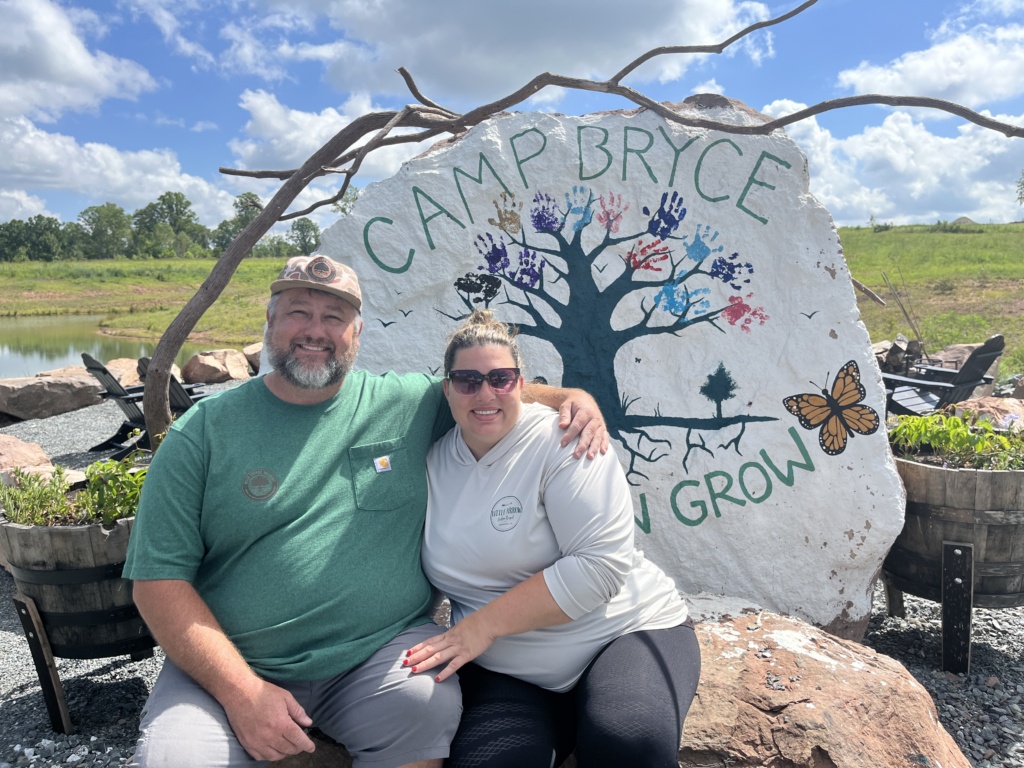
Wild Things owner James Hunsucker said part of him feels like his whole life has been building up to this moment with Wild Things Conservation Trust, which received its nonprofit status in August.
“I’m just a husband, a dad of four and a guy who has a dream of wild things,” Hunsucker said. “We’re hopeful whether through the Wild Things Conservation Trust, or in partnership with other land trusts within our area, that we can essentially make sure that this place is here for generations.”
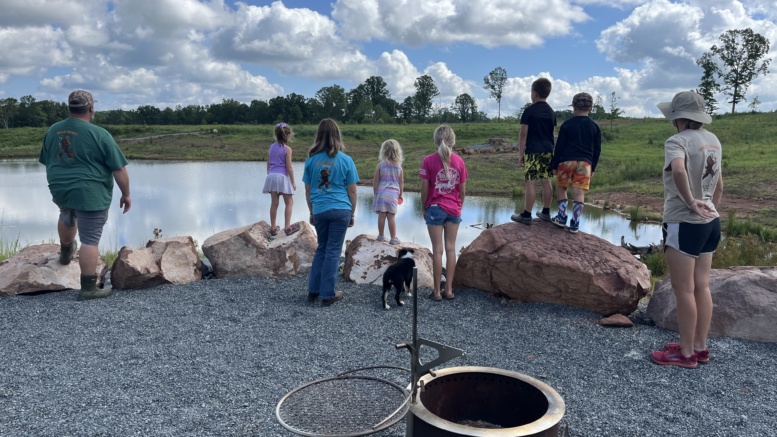
Hunsucker said the short-term goal of the trust is to provide an avenue for people to support Camp Bryce and its activities. The camp opened doors this summer for children ages 6 to 12. He hopes to conduct year-round camp opportunities that focus on bringing children outdoors.
“My kids are fortunate. They get to live in a wild space. Most kids don’t these days. And we’re trying to share that lifestyle with others so that they might appreciate wild things,” Hunsucker said.
“A kid might grow up knowing that there’s actually careers centered around what we do here. You don’t have to grow up thinking that you need to become a doctor or a lawyer or an obstetrician or whatever. You can actually have a career managing wetlands or managing early succession habitat, be a certified burner or growing native plants.”
Right now, Camp Bryce can handle 25 to 50 children. Hunsucker hopes to create additional infrastructure for the camp, including permanent staffing, to ensure it can keep going.
But the long-term goal of the trust is to conserve land in unique situations like theirs, a native nursery, because not every property fits within the regulations for placing conservation easements. And not everyone can afford the process.
“The problem is the rubric,” Hunsucker said. “Places like ours, that are a different type of conservation prospect, don’t really fit the scoring system very well to where we would qualify for conservation easement long term.”
A nursery is different from a traditional working farm, Hunsucker said. Its product is native seed and plants for landscaping — not crops for consumption and livestock.
“Our definition of a working farm is a little bit different than what some of the funding is actually out there for. We don’t grow row crops. We don’t grow tobacco. But we do grow wild things. And those wild things are a lot better than concrete and glass.”
His focus is on benefiting grassland communities, like what they are cultivating at Wild Things.
“We talk all day long about longleaf restoration,” he said. “And those are noble causes. Those are things that we don’t need to lose sight of. But there used to be a lot more prairie and early succession than there is today in North Carolina and across the southeast.”
Hunsucker said the idea is to create a patchwork of this habitat type for the native species that rely on them.
“If we can create a patchwork of places, whether 10 acres or 100 acres or 1,000 acres, then the distance (native species) have to travel to safe havens is minimized,” Hunsucker said. “The only way that we help those numbers get back up is basically by creating a network of backyard ecosystems where stuff goes from my backyard to your backyard to 100 acres like this. Because if we can’t connect those blocks, then they suffer.”
Wild Things plans to place 50 to 75 of its acres into a permanent conservation easement with support from fundraising to ensure the land is available for community enjoyment for years to come.
“Since we wouldn’t score high enough to be funded, private donors are the only way that we can get it done, to where we can ensure that this acreage and the frontage that we have on the creek is here for eternity,” Hunsucker noted. “Just the way it is.”
For updates and more information, visit www.longlivewildthings.com/ or check the nursery’s social media pages.
Contact Ana Risano at (910) 585-6396 or ana@thepilot.com.